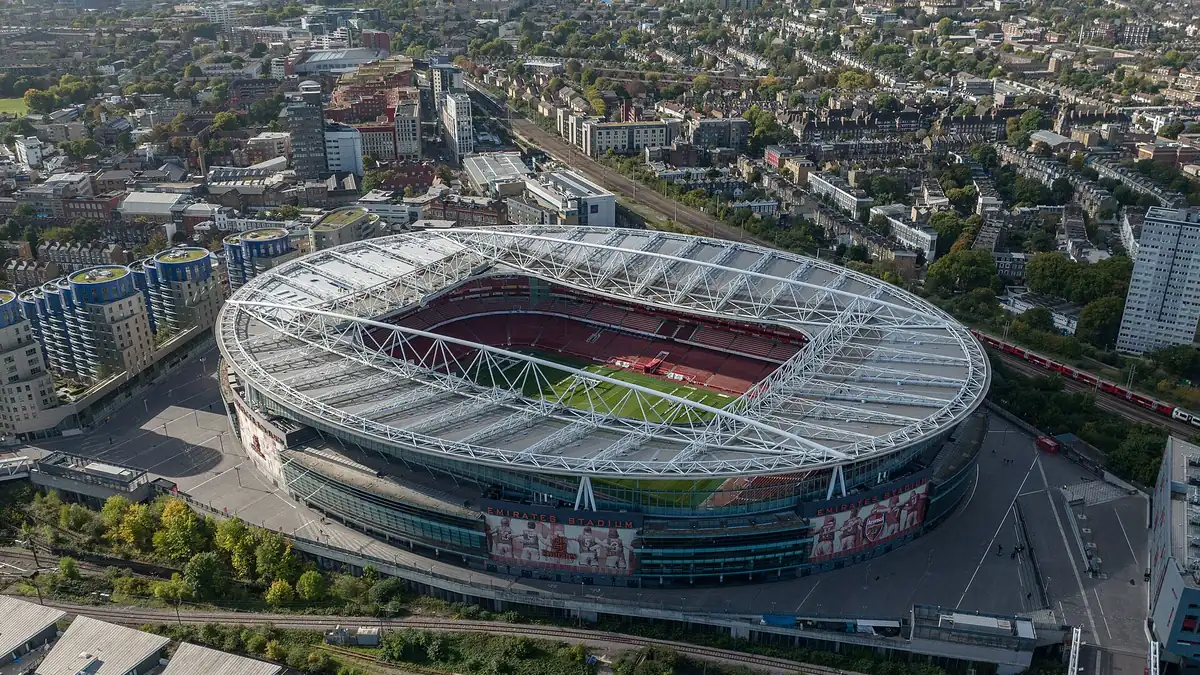
Clubs near the bottom need goals, while the top sides want depth for the Champions League knockouts.
The winter window is still two months away, but recruitment departments are already drawing up their lists. After eight rounds the table gives a fairly clear idea of where each club is short, and the same two positions come up again and again: striker and centre-back.
The bottom half: goals first
The numbers at the foot of the table explain why strikers are in demand. Burnley, bottom with three points, have scored only five goals in eight games. Sunderland have six and Leeds United seven. Nottingham Forest, also on seven, share the third-lowest total in the league with Leeds.
| Club | Position | Points | Goals scored | Goals conceded |
|---|---|---|---|---|
| Burnley | 20th | 3 | 5 | 16 |
| Sunderland | 19th | 5 | 6 | 14 |
| Leeds United | 18th | 6 | 7 | 13 |
| Wolves | 17th | 7 | 8 | 12 |
| Nottingham Forest | 15th | 8 | 7 | 11 |
For clubs in this group, a striker who can score eight or ten goals in the second half of the season can be the difference between staying up and going down. That makes forwards the most expensive and the most contested position of the window. Proven Premier League scorers are rarely available, so many clubs will look abroad.
Defence is a problem too. Burnley have conceded 16 goals, the most in the league, and Sunderland and West Ham have both let in 14. A reliable centre-back is the second priority for most of these clubs.
The top four: depth for Europe
At the other end, the needs are different. Arsenal, Liverpool, Manchester City and Chelsea are all in the Champions League, and their squads face a heavy schedule from January onwards. The knockout rounds start in February, and a single injury in a key position can derail a season. Squads that looked large in August often feel thin by the turn of the year.
- Arsenal: unbeaten with the best defence, but reliant on a small group of attackers
- Liverpool: 18 goals scored, but eight conceded suggests a need for defensive cover
- Manchester City: 11 of their 19 goals have come from Erling Haaland
- Chelsea: fourth on 15 points, with a young squad that could use experience
For these clubs, the aim is usually a player who can step in without disrupting the system. They rarely want a new starter in the middle of the season; they want someone who can cover two or three positions and play in rotation.
What kind of deals to expect
Expect loans and short-term deals rather than big fees.
January is traditionally a difficult window for buying. Selling clubs are reluctant to let important players go halfway through the season, and prices tend to be higher than in the summer. Financial rules also limit how much clubs can spend, which pushes many of them towards loans.
Loans with an option to buy are particularly popular. They let a club test a player for half a season and decide in the summer whether to make the deal permanent. Loans with an obligation to buy, triggered by conditions such as staying in the division, are another common tool for clubs fighting relegation.
The middle of the table
Between the two groups sits a large block of clubs with little to play for in either direction. Aston Villa, Newcastle, Brighton, Manchester United and Brentford are all within a few points of each other, and their approach will depend on results over the next two months.
If any of them move into the race for European places, they may look for a signing to strengthen the push. If they drift towards mid-table, January is more likely to be about selling players who are out of the team and reducing the wage bill.
Clubs in this position are also the most likely sellers. Squad players who want regular football could ask to leave on loan, and a single departure can quickly create a chain of deals across the league as clubs look for replacements.
What happens before the window
Most of the work is done before the window opens. Clubs identify targets in November and December, agree terms where possible and aim to complete the paperwork in the first days of January so that new players are available as early as possible.
We will follow the rumours as they develop and mark clearly which stories are confirmed and which are not. Our weekly round-up and the transfer window page collect all the latest news in one place, so you can see which clubs are active and which positions they are trying to fill.